
From Beginner to Intermediate
(and a bit Advanced)
Recommended Patterns
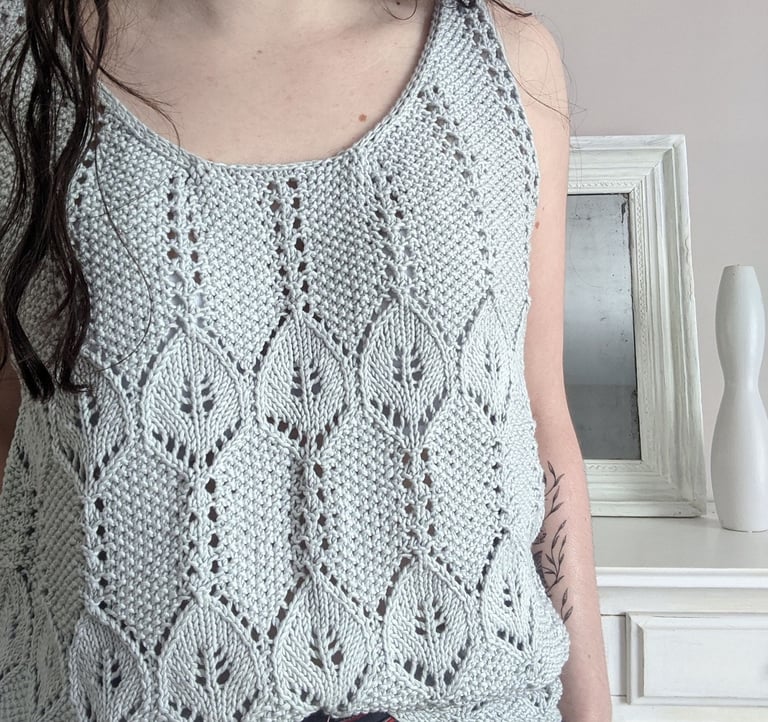
Galice
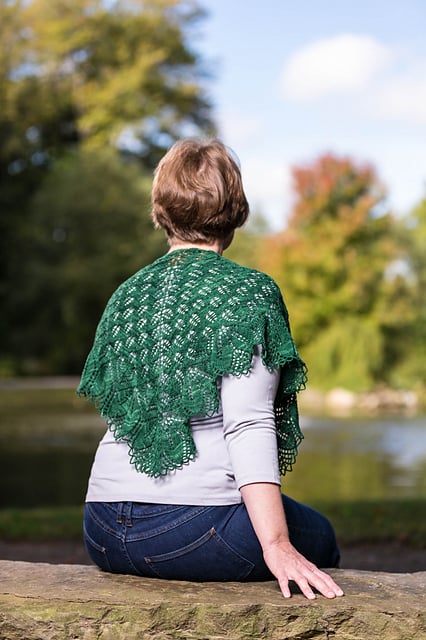
Haruni
Sacre Couer
Selvedges
What Are Selvedges?
Selvedges (or selvages) are the special stitches at the beginning and end of rows on flat knitting. They create the side edges of your piece. They are often not included in charts.
Why bother?
They make your edges neat, straight, and professional-looking instead of loopy or uneven.
They prevent curling (especially useful with stockinette, which is created by knitting on the right side, purling on the wrong side).
Selvedges make seaming and picking up stitches easier (often needed for garments).
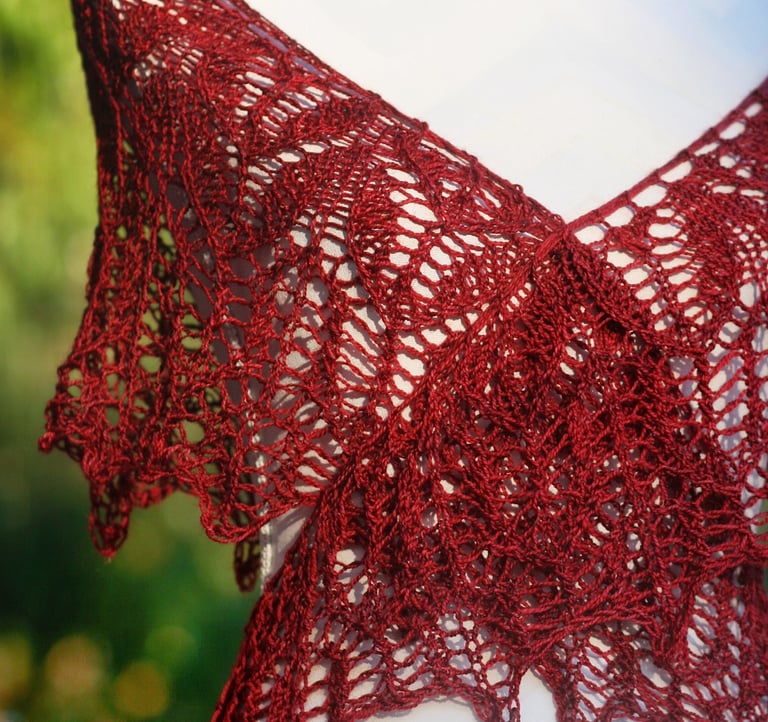
They add decoration and stability when the edges will show, like on scarves, shawls (e.g., Emily Ross's Haruni), or blankets.
Slipping the First Stitch for a Beautiful Edge
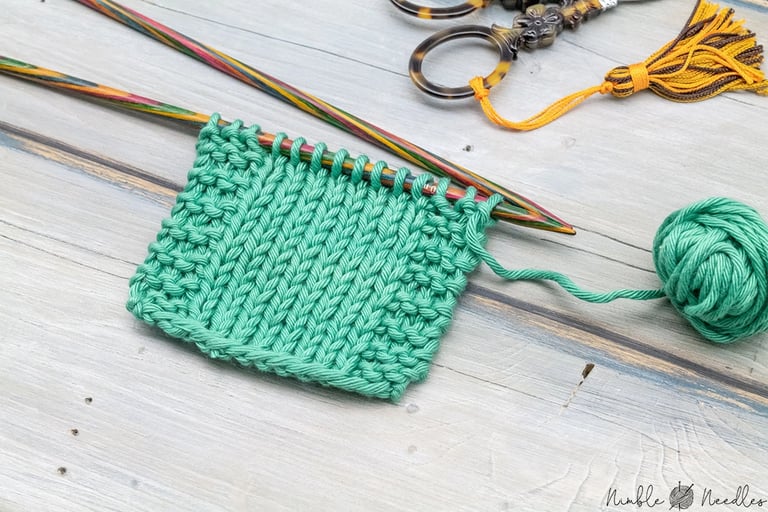
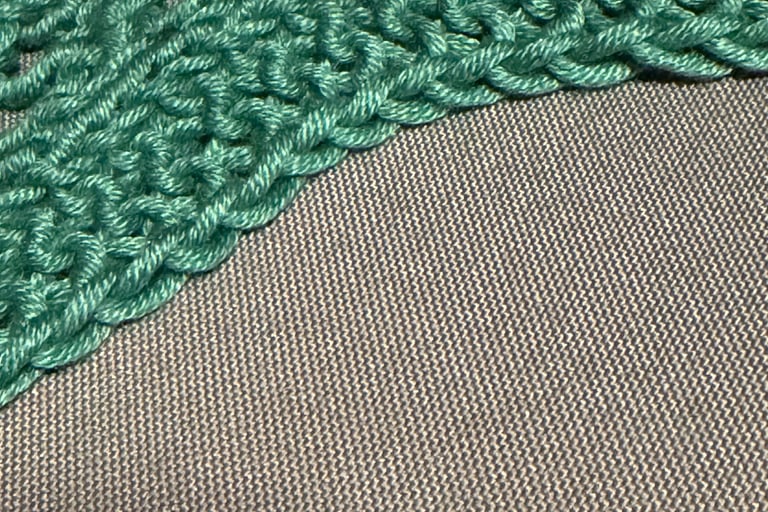
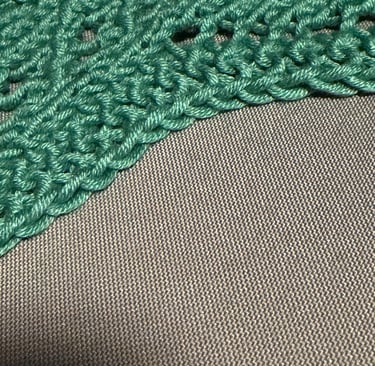
A super-simple way to get a tidy, chain-like selvedge: Slip the first stitch of every row purlwise (as if to purl) with yarn in front (wyif). This is my go-to selvedge regardless of what the pattern might say! The Haruni calls for this technique.
Why it works:
The slipped stitch stretches vertically over two rows, creating a smooth, even chain effect instead of bumpy ridges.
Ideal for scarves, shawls, and any project where edges are visible.
Especially pretty in garter stitch.
How to do it row by row:
At the start of every row: Slip 1 purlwise (so don’t change the orientation of the stitch, just move it from the left needle to the right one), then work the rest of the row as usual.
At the end of every row: Knit the last stitch.
Turn work and repeat.
Instant polish!
Garter Tab Cast-On
Steven West has a wonderful video showing this technique. (I believe he includes videos of the trickier techniques with all of his patterns, so I’d recommend trying them out!) You might want to ask someone to show you, though…it can be a little fiddly.
A garter tab creates a smooth, seamless starting edge for top-down shawls (meaning ones where you start knitting at the nape of the neck and work down to the border) instead of a gappy “hump” at the cast-on.
Basic Steps (written for the Haruni shawl, with three-stitch selvedges plus a three-stitch center):
1. Provisionally cast on 3 stitches (or the number in your selvedge). I recommend the Nell Knits method, though I often keep the provisionally cast-on stitches on a removable (safety pin looking) stitch marker instead of a cable, as I find it a little easier to deal with. You might find using a cable like in the video easier at first. (Please let me know if you do!)
2. Knit 6 rows (or enough to create 3 garter ridges — adjust per pattern to get the number of stitches you need minus the selvedge stitches). For the Haruni shawl or any project where you’re slipping the first stitch of your selvedge, slip the first stitch of every other row on this garter tab. You should have three stitches on your needles.
3. Turn the work and pick up one stitch through each of the three garter ridge bumps. You should now have six stitches on your needles.
4. Knit the three provisionally cast-on stitches. You should now have nine stitches on your needles.
5. Continue with your shawl from there.
This technique avoids the “hump” or gap at the center top of shawls. It is advanced, though...if it’s too much, just cast on however many stitches your project needs for the first row. For the Haruni, that’s nine stitches.

When you knit both the right and wrong sides, the fabric you produce is called garter stitch, and it looks like lots of ridges. For this technique, you’re creating what we’re calling a garter tab—a little rectangle of garter stitch. This tab blends beautifully into the shawl’s top border. This is an advanced technique, and you can definitely skip it and just cast on however many stitches you need (which would be nine for the Haruni shawl).
Distitch Edge (Slip Knit DS Selvedge – Closed)
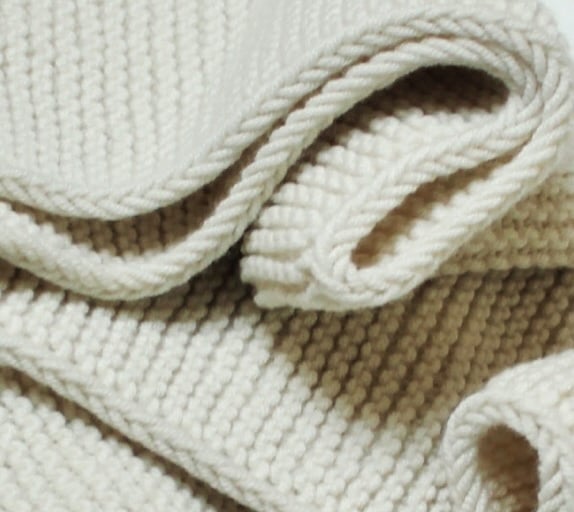
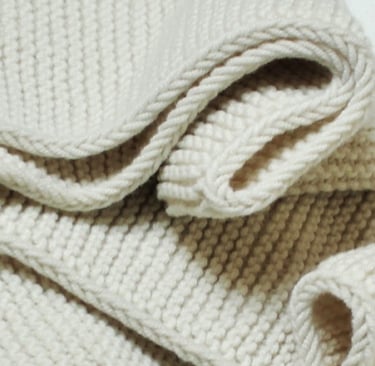
Assia Brill has a beautiful technique you might want to try that produces a neat, decorative selvedge that’s firm yet attractive. It’s perfect for garter stitch edges and yarn with great stitch definition (think one consistent color with a consistent twist to the ply, like Oceania). It creates a “Distitch” (DS) by working with loops from previous rows.
If you are feeling a bit overwhelmed and would like to focus on getting the knit stitch down before tackling the rest, why not cast on the Distitch Edge Scarf? It’s lovely! I'd recommend Modern Cotton worsted yarn.
These techniques build beautifully on the skills from class. Small edge choices can transform your projects!
© 2025. All rights reserved.

1900 E Howard Ln Suite A7 | Pflugerville, Texas 78660 | rachel@yarningfiberarts.com | (512) 766-9298
Warning: Rachel is terrible about answering calls and listening to voicemails.
Hours
Closed Mondays & Tuesdays
Wednesdays & Thursdays 3 - 7
Fridays noon - 7
Saturdays 10 - 6
Sundays noon - 5